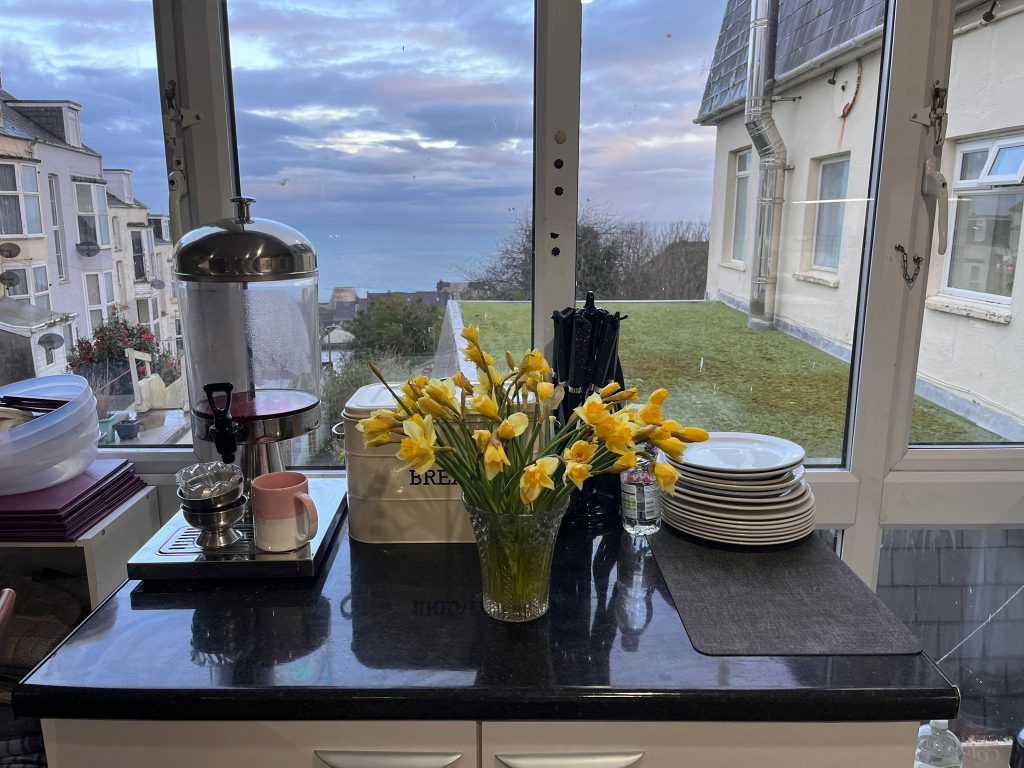
Moving home can be daunting and overwhelming, at Edenmore Nursing Home, we have a few ways to make this move easier for you.
Your Life History
The most important part of your move is telling us about your life. At Edenmore Nursing Home you are not just a name or a number but a valued member of our family. We want to know what your likes and dislikes are, when you get up and go to bed, your past career and so much more. This helps us shape your care around you and make Edenmore Nursing Home feel like your home. We’ll celebrate the occasions that matter to you and support you to spend your time doing things you enjoy – from everyday interests to planned events that reflect what matters in your life.
Bring your Favourite Things
A care home has many people living together, but this is still your home so needs personalisation. We encourage you to bring in your own touches of home so you can wake up with your photos on your wall, your lamp on your bedside table, your choice of music playing and your favourite book waiting to be read. Leaving a home that holds so much of your life is emotional. Your favourite belongings have a place here too, and we’ll work with you to make your room your own, including decorating it to reflect your personal taste.
Friends and Family
Your home is a place to share with the people who matter to you, and that continues at Edenmore Nursing Home. Whether they’re popping in for a cup of tea, watching TV with you or staying for lunch or dinner, friends and family are welcome to spend time with you as they always have. They can join in with activities, head out with you on an outing or stay the night if you’re unwell. There are no set visiting times, this is your home, and those closest to you are welcome at any time.
Frequently asked questions
Whether you’re exploring care for yourself or someone you love, there is a lot to think about. Here are answers to some of the questions you may have.
Choosing the right care
What is the difference between residential care and nursing care?
When living in your own home is no longer possible, or you need more support than can be provided there, a care home can offer a place to continue your life with the care and support you need.
Residential care provides accommodation and support with everyday needs, such as washing, dressing, taking medicines and moving safely around the home. It may suit someone who needs support throughout the day and night but does not require ongoing care from registered nurses.
Nursing homes provide this everyday support too, with registered nurses available 24 hours a day for people who also need nursing care, such as wound care or support with more complex health needs.
If you are unsure which is right, an individual assessment can help establish the care and support needed.
When is it time to consider a care home?
There is no single moment that is right for everyone. It may be time to consider a care home when managing everyday life at home becomes more difficult, someone feels increasingly isolated, support is needed during the night or those providing care are finding it difficult to continue. You do not have to wait until a crisis to explore the options.
If you are arranging and paying for care privately, you can contact us directly to discuss your needs and arrange an individual assessment, so we can understand whether we can provide the right care and support. Alternatively, a free care needs assessment through your local council can help you explore the options, including additional support at home.
Visiting homes gives you the opportunity to meet the team, spend time there and discuss what matters to you. A respite stay can also offer a chance to experience everyday life in the home and see whether the surroundings and care feel right before considering a longer-term move.
The person who will receive care should be involved throughout, with support to express their wishes and make choices wherever possible.
What should I look for when visiting a care home?
Visiting a care home is a chance to picture what everyday life there could feel like, whether you are looking for yourself or someone close to you. The surroundings are important, but the care and the people providing it deserve just as much attention.
Ask about the team’s training, their experience of supporting someone with your particular needs and the home’s ethos. Listen to the language they use and notice how they speak with the people who live there. Does it feel like a home, or does everyday life feel organised around an institution?
This could become your new home, so consider how you feel when you walk in. Are you welcomed? Are people included in conversations, and are their choices respected? Ask to see the menus: is there a choice of meals, and can people choose something different? Find out how the team supports independence and enables people to continue doing things for themselves.
Look at the home’s social media pages too. Do they regularly show real everyday life, relationships and individual interests? Is what you see online consistent with your experience when visiting? Look for signs that people are continuing their lives, with opportunities to make choices and do what matters to them.
Ask about care during the day and night, how the people closest to you can remain involved and what happens if your needs change. Take your time and, if possible, visit again to get a fuller sense of everyday life.
Above all, you should feel that there is a place for you here, where who you are matters as much as the care you need.
What would Edenmore Nursing Home need to know before you or someone you love moves in?
It’s really important for Edenmore Nursing Home to get to know each person’s life history, their relationships, interests, working life, likes and dislikes. We want to know the name they prefer to be called, the foods and activities they enjoy, and whether they prefer a quieter day, plenty of company or a mixture of both.
We also want to know when they like to go to bed and get up. There is no set routine that everyone is expected to follow, nor should there be. Whether someone is an early riser or enjoys a lie-in, their day should continue to reflect their own preferences.
Alongside information about their health and support needs, these conversations guide care planning so that their care reflects who they are and how they choose to live. Those closest to them can bring valuable understanding too, with the person’s involvement.
Can personal belongings be brought into the home?
Yes, absolutely. This is your home, and we want you to walk into your room and feel that it is yours, surrounded by reminders of the life you have lived and the things that bring you enjoyment.
Your room is fully furnished and equipped, so you do not need to bring anything unless you wish to. We encourage you to bring your own ornaments, photographs, pictures, books, favourite chair or bedding to make the room reflect who you are.
If you would like to decorate your room, we can show you different wallpapers and paint colours for you to choose from.
This is a home, not an institution. We want you to continue living your life, with the things you love around you and support to continue the routines and interests that matter to you.
Is it normal to feel guilty about considering care?
When someone you love is moving into a care home, it can bring so many emotions. You might feel guilty, wonder whether you have done enough or find yourself questioning the decision, even when you know more support is needed. There may be sadness, uncertainty or relief too, sometimes all at once. Recognising that more support is needed can be difficult, but choosing care does not mean you stop caring.
Your relationship continues after the move, and we want you to remain part of everyday life. This is your loved one’s home, and spending time here should feel like being in their home, rather than visiting an institution. Sharing meals, joining activities and outings, or enjoying each other’s company over a cup of tea can continue as they normally would.
If you live too far away to visit regularly, we are always at the end of the phone and can arrange video calls with your loved one. We can also share photographs and updates about what they have been doing, helping you stay connected and giving you things to talk about together.
Everyday life and staying connected
Are there set visiting times?
There are no set visiting times at Edenmore Nursing Home. You can visit your loved one at any time, whether that is early in the morning, in the evening after work or at the weekend. This is their home, and we want you to feel as comfortable spending time here as you would in their previous home.
Some family and friends have felt so at home here that they continue visiting or become volunteers even after their loved one no longer lives with us.
If your loved one is unwell, you can stay overnight to be by their side.
Is taking part in group activities optional?
Yes, taking part in group activities is entirely optional. Some people enjoy company, others prefer time to themselves, and many want a mixture of both. We want to understand each person’s interests and the everyday things that matter to them, including those they may need support to continue.
As this is their home, some people prefer to spend their day doing everyday tasks, such as washing up, gardening, sweeping the floor, helping in the laundry or working alongside the maintenance team. These may seem like small things, but they can bring a sense of purpose and the satisfaction of contributing to home life.
There is no expectation to join organised activities. What matters is how each person wants to spend their time, with support where needed.
Who can I speak to if something is worrying me?
Whether you live at Edenmore Nursing Home or are someone close to a person who does, we want you to feel comfortable telling us if something is worrying you. As you get to know our team, you can speak with anyone you feel comfortable with, whatever their role, or talk directly with the home manager.
If you would prefer to speak with someone outside the home, our Relationships Team will introduce themselves when you or your loved one moves in. You can always email them to share a concern feedback@evolvecaregroup.com.
Understanding fees and funding
How much does care cost, and what is included?
At Edenmore Nursing Home, we understand that no two people are the same. Everyone is unique, and we believe their care and support should reflect their individual needs. Before someone moves in, we carry out an individual assessment to understand the care and support they need and confirm their weekly fee. This means our fees are tailored to each person and can vary depending on their individual requirements.
Additional services, such as chiropody and private dental care, are available at an additional cost. We can provide a list of these services and their costs on request.
Could the fees increase after moving in?
Yes, fees may increase after someone moves in. Our personalised approach continues throughout their time with us, recognising that their needs may change and their care and support may need to change with them. If this affects their fee, we will explain what has changed and talk through any proposed increase openly, clearly and sensitively with the person responsible for managing their care fees, involving the person receiving care wherever possible.
Could I get support with my care costs?
You may be entitled to help, depending on your care needs and financial circumstances. In England, local authority support may be available if your savings and assessable assets are below £23,250 (this is subject to change), following care and financial assessments. Your income and, in some cases, property are also considered.
NHS Continuing Healthcare (CHC) can cover the full cost of care for people with an assessed primary health need. NHS-funded Nursing Care (FNC) contributes towards eligible nursing care. Both depend on assessed needs rather than finances. Short-term funded support, sometimes called step-down or intermediate care, may also be available after hospital, usually for up to six weeks. Your local authority or hospital discharge team can advise which assessments to request.
Have a question we haven’t answered?
Whether you’re exploring care for yourself or someone close to you, we’re here to listen.